Santurce, 2024
privilege is power
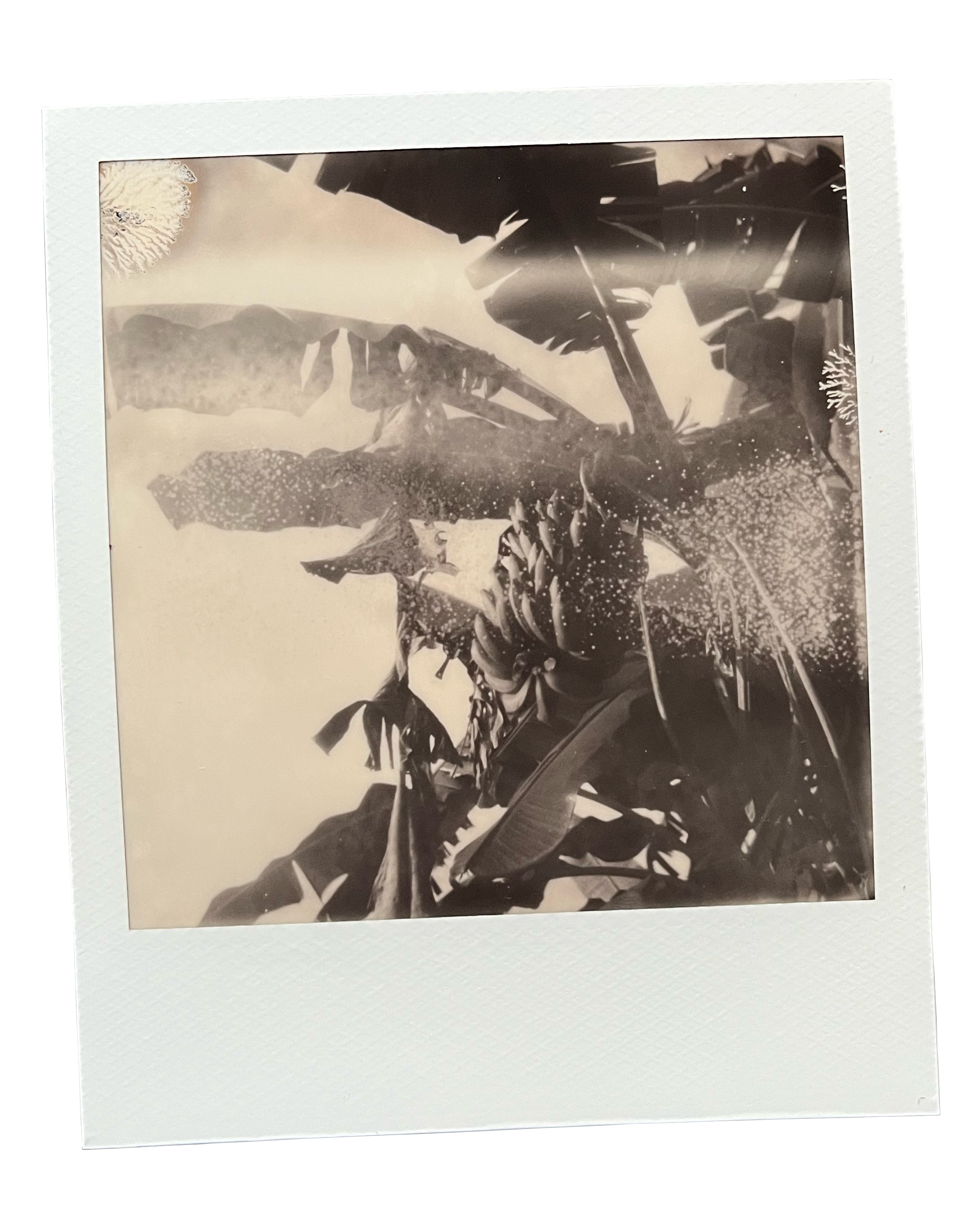
Pastel colonial architecture of the pueblo is sandwiched under the colonial architecture of where I was born. The contextual layers of my settler identity, colonizando de nuevo aquí. The window frames one of our red bananas, a visual metaphor for what we hope to build, food sovereignty. A portal to building anti-colonial ways of being.
We moved to Puerto Rico in 2021, but my spouse spent childhood summers here at Abuela’s, wanting to be part of the generation to return.
I was born in Omaha, Nebraska where the legacy of redlining is not only still visible, but fully functional. To the extent that “well-meaning” white people can live inside it, benefit from it, and still not see how their privilege is built on the inequity of everyone else.
When I taught in university I would start new courses by introducing myself via privilege, because privilege is power. The contextual layers of my settler identity are not the center of this work, engaging meaningfully with very warranted critiques of colonial-ass behavior is.
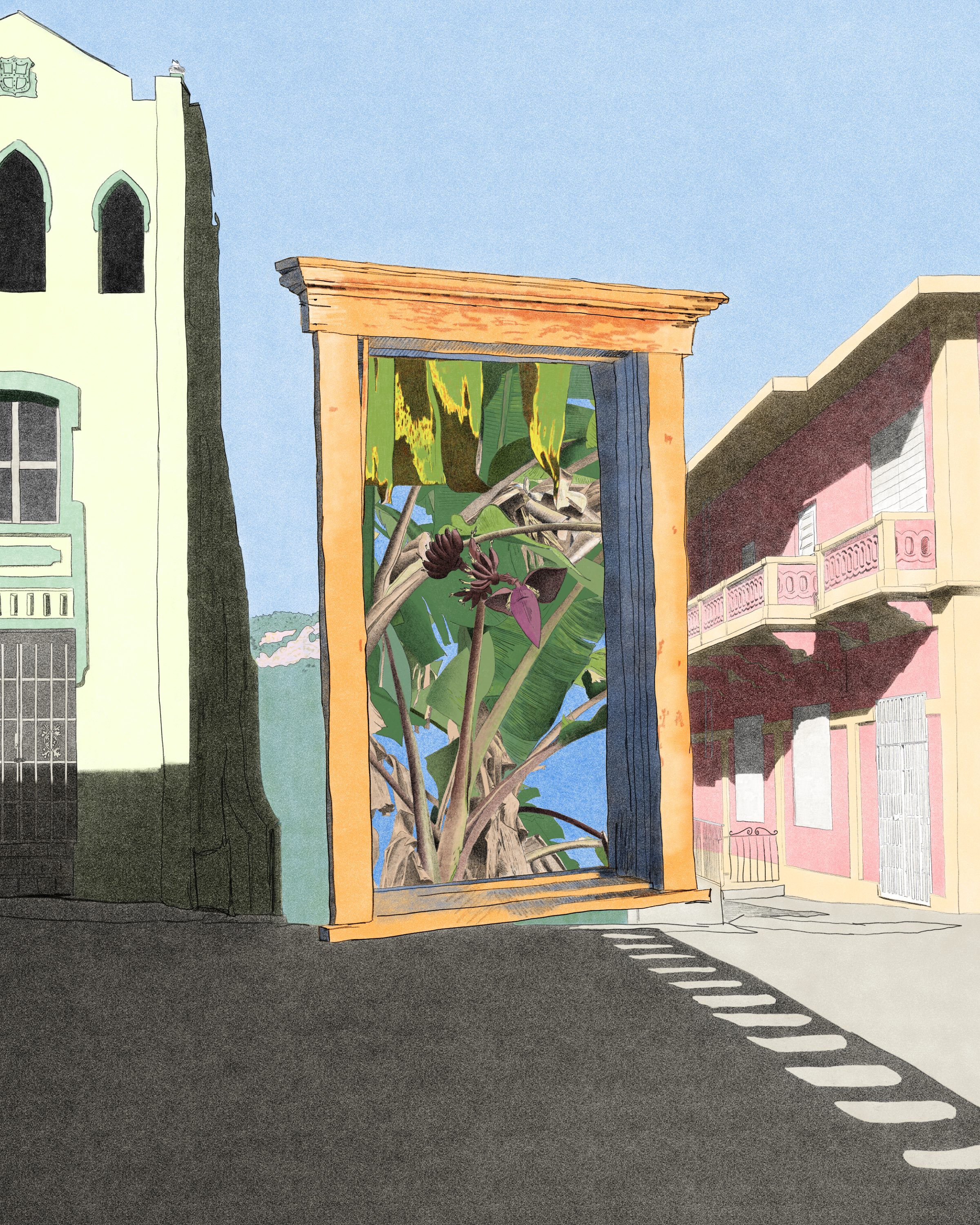
After Louis Dodd’s The Painted Room, digital drawing, 2022
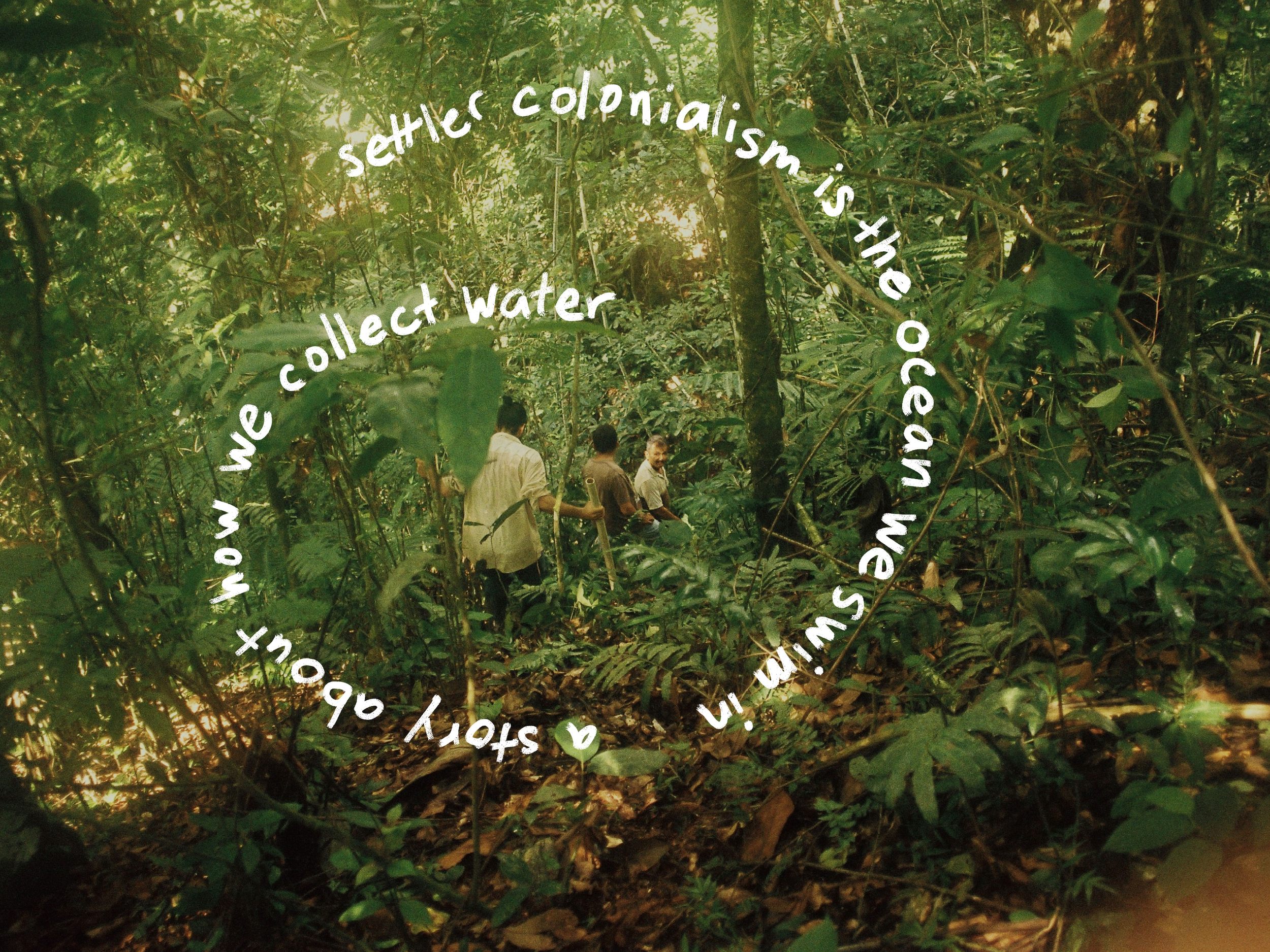
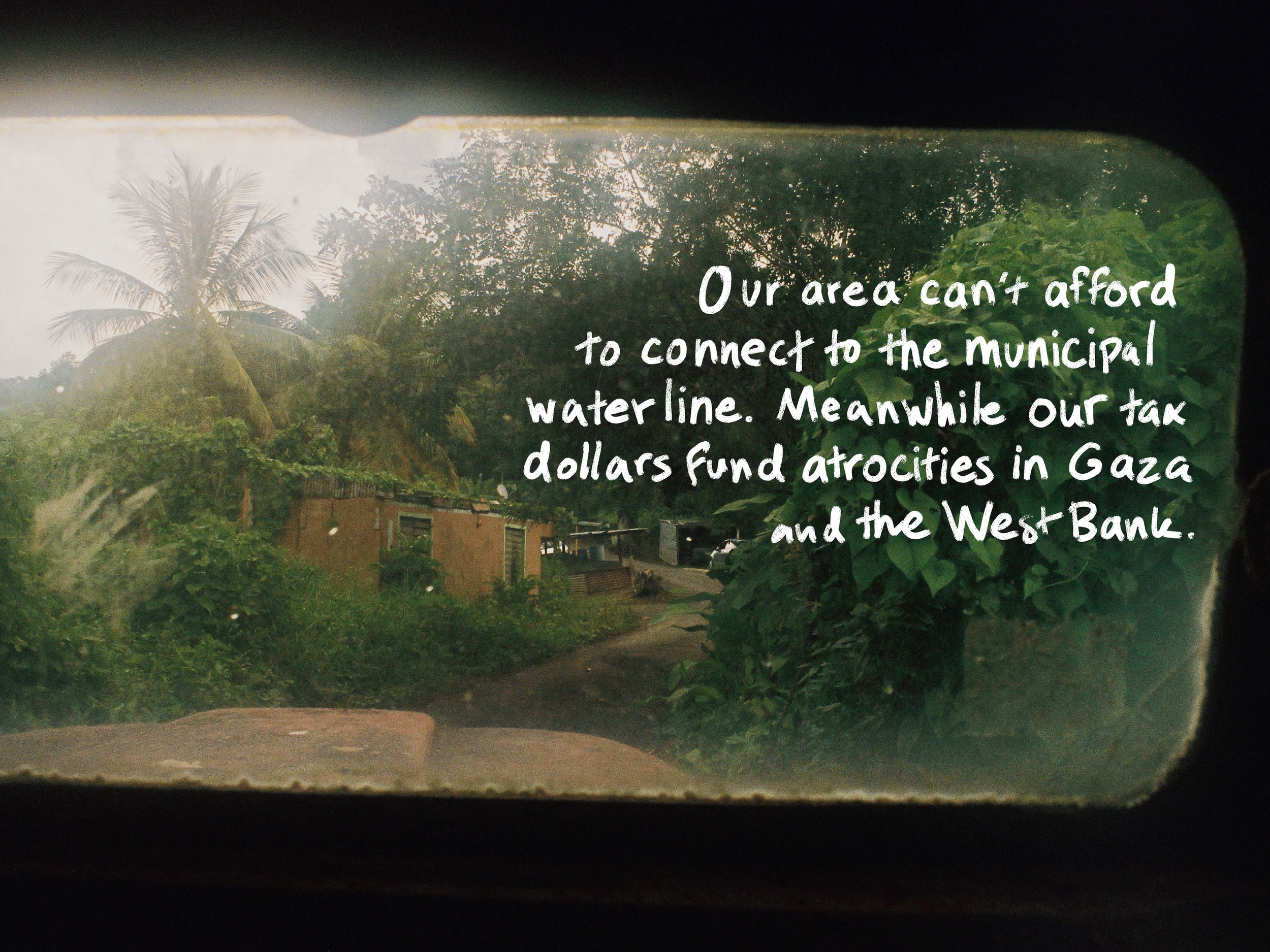
Our community’s ongoing struggle to access water, 2023. For more see our farm newsletter: TL;DR a story about how we collect water
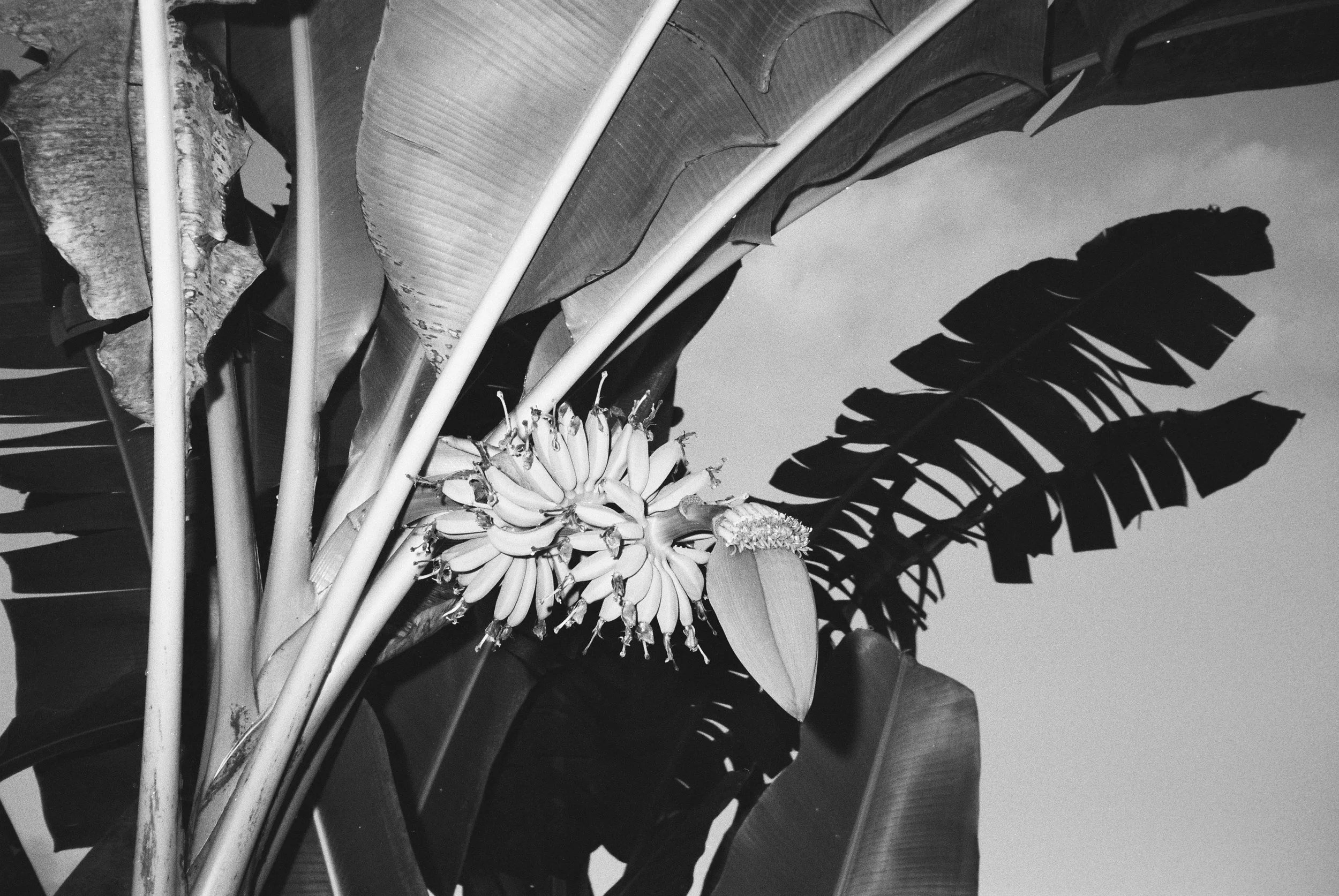

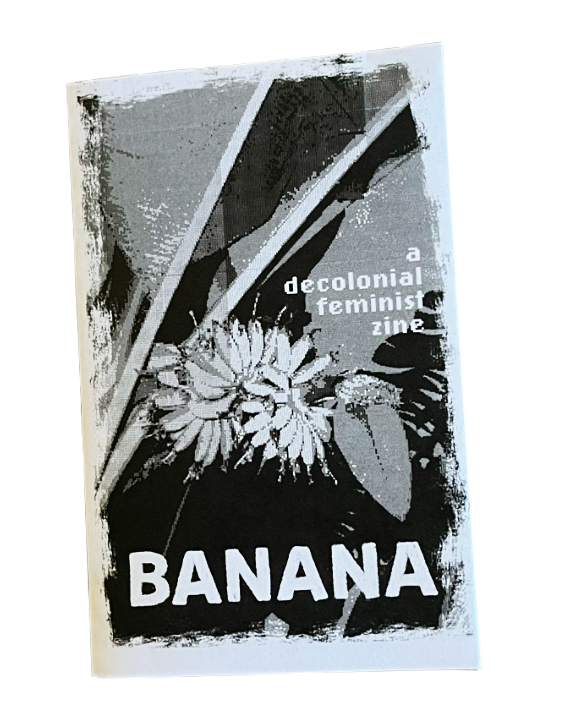
BANANA
A DECOLONIAL FEMINIST ZINE
“The method is simple: starting from one element to uncover a political, economic, cultural, and social ecosystem in order to avoid the segmentation that the Western social-science method has imposed. The most enlightening and productive analyses in recent decades have been those that have drawn the greatest number of threads together to highlight the concrete and subjective networks of oppression that weave the web of exploitation and discrimination.”
—Francoise Verges
more via A Decolonial Feminism by Francoise Verges:
“The banana’s dispersion from New Guinea to the rest of the world, the banana and slavery, the banana and US imperialism (banana republics), the banana and agribusiness (pesticides, insecticides—the chlordecone scandal in the Antilles), the banana and working conditions (the plantation regimes, sexual violence, repression), the banana and the environment (monocultures, polluted water and land), the banana and sexuality, the banana and music, the banana and performance (Josephine Baker), the banana and branding (Banana Republic), the banana and racism (when did the association of bananas and Negrophobia begin?), the banana and science (researching the ‘perfect’ banana), the banana and consumption (bringing bananas into the home, suggesting recipes), the banana and rituals for ancestors, and the banana and contemporary art.”
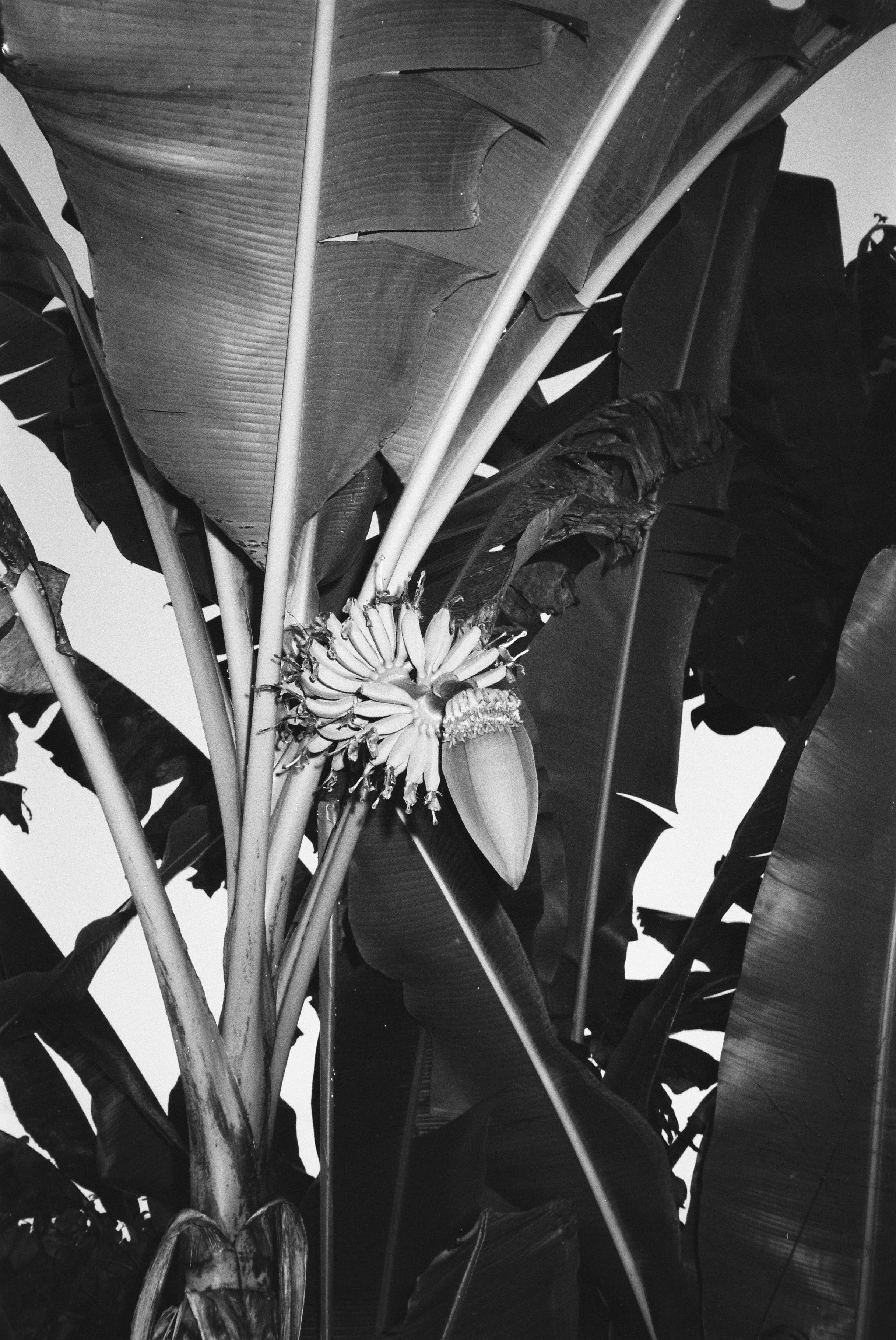
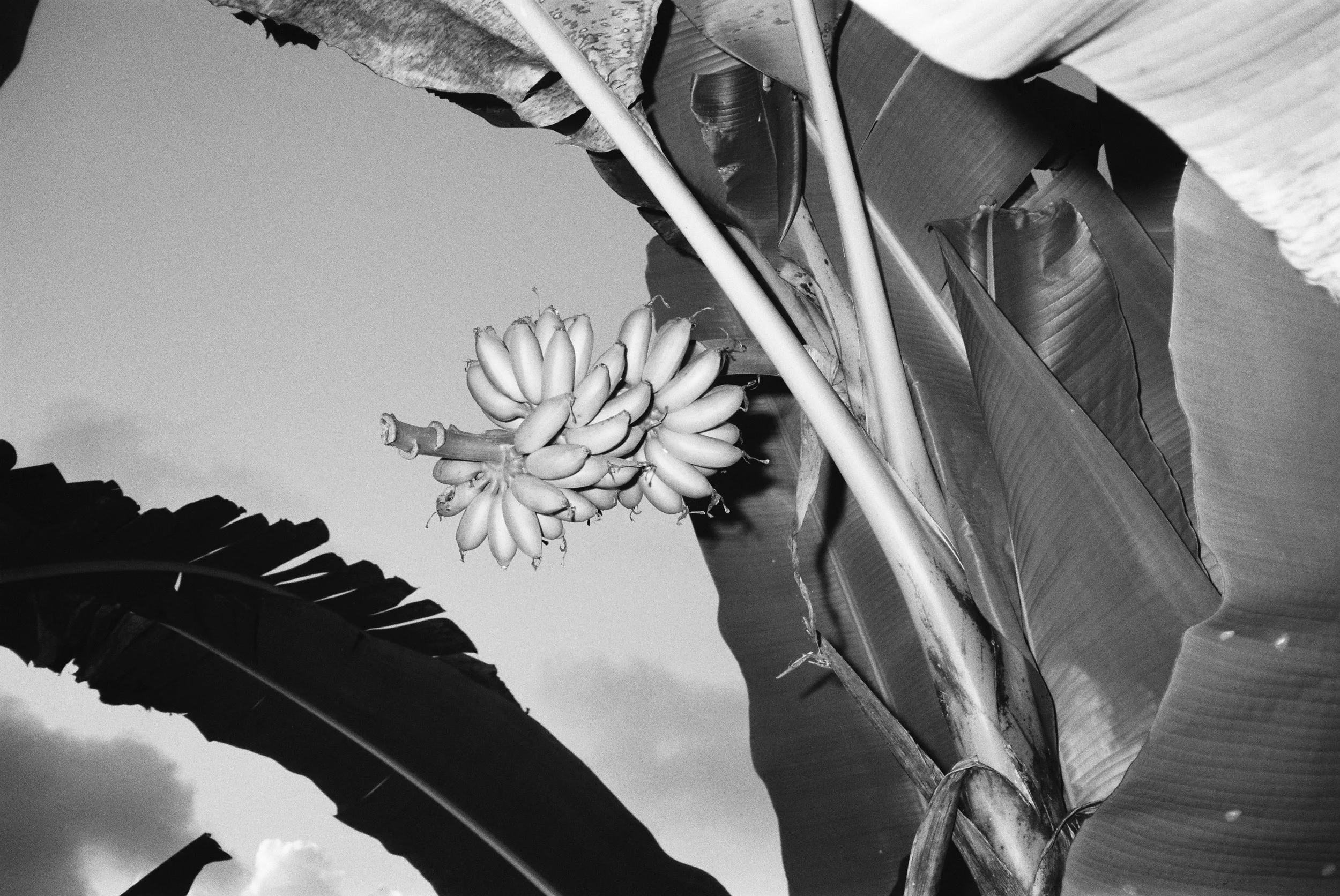
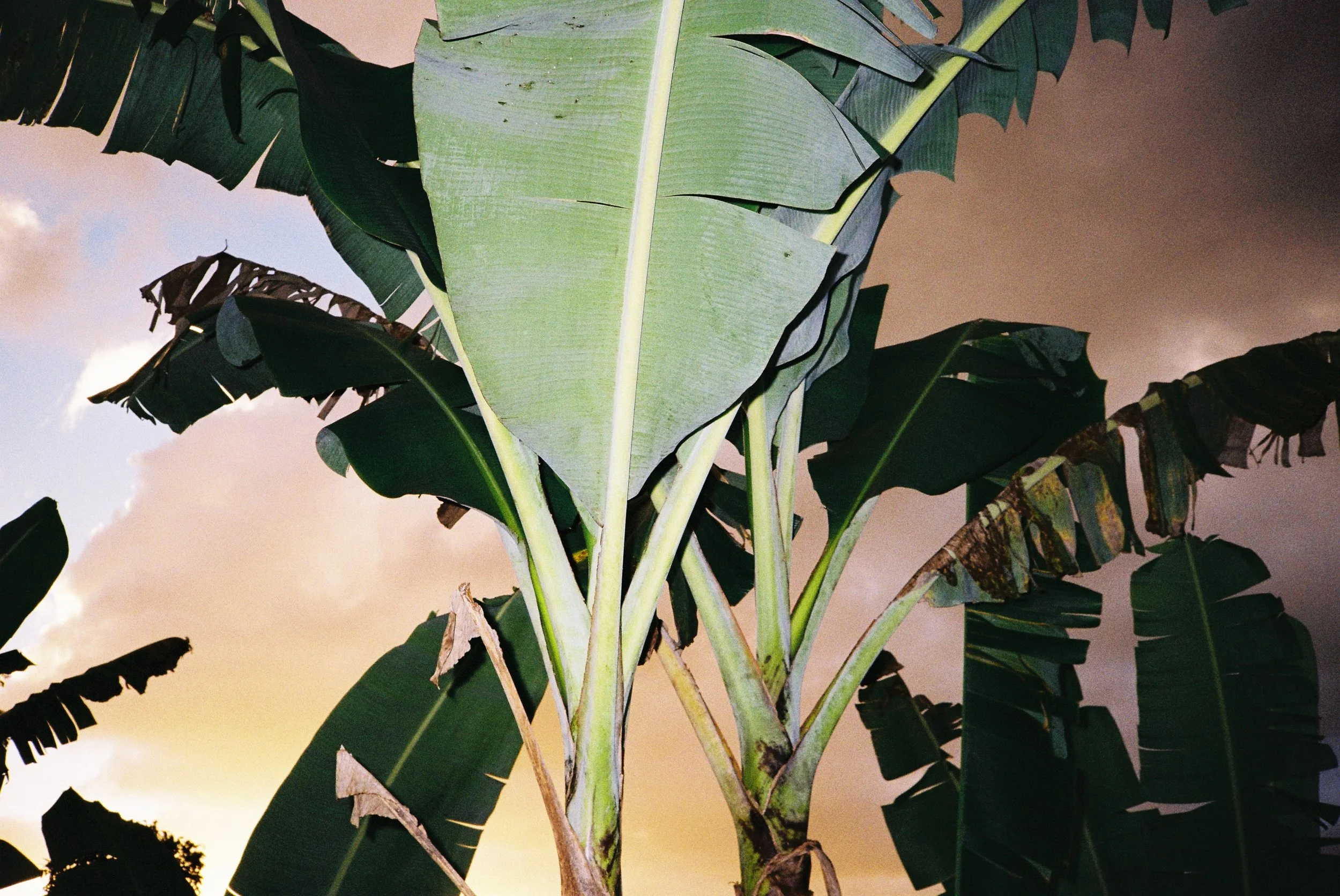
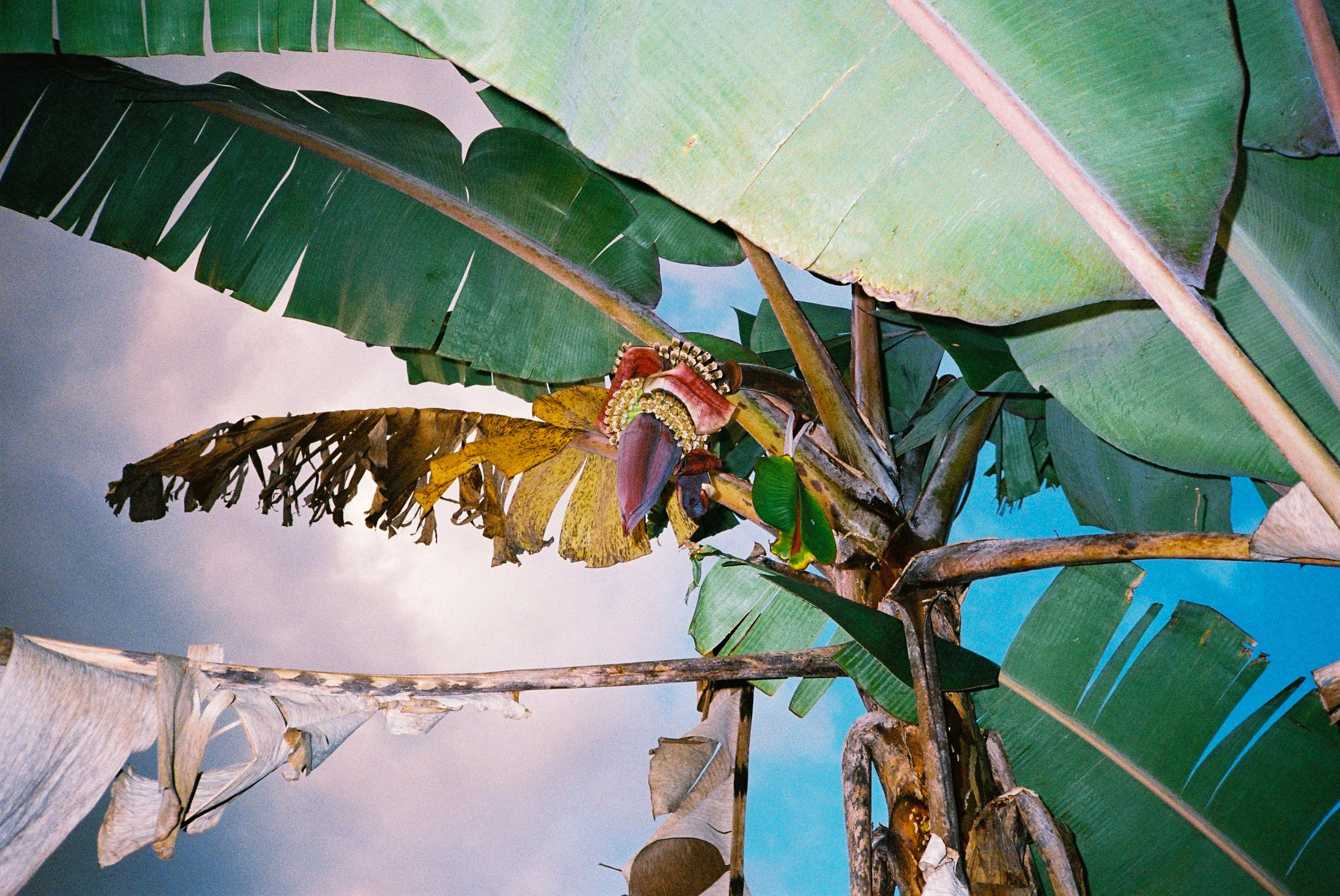
Our contribution to the critical decolonial pedagogy of Francoise Verges:
the banana and class (La Mancha—the “stain” that cannot be removed),
the banana and repair (Unripe banana is an outstanding source of healthy fiber and starch that can repair a damaged gut—improving the microbiome and helping the body heal itself, water-intensive banana plants also act as water towers, storing water in wet seasons and then redistributing it back into the environment during periods of drought),
the banana and food sovereignty (“When the boats stop”—meaning when the disastrous contradictions of colonial control are exposed and food becomes scarce, bananas have been a crucial starch to keep Puerto Ricans and other colonized people alive).
Footnotes available via our farm newsletter.
a zine was just the first step
I made this zine to formulate my research and reading into something tangible, something I could share. But our neighbors, who are mostly in their 70s, don’t know what to do with zines. The final form of this work must be something our neighbors want to engage with meaningfully, as well as being of use as a resource.
HOW TO APOLOGIZE
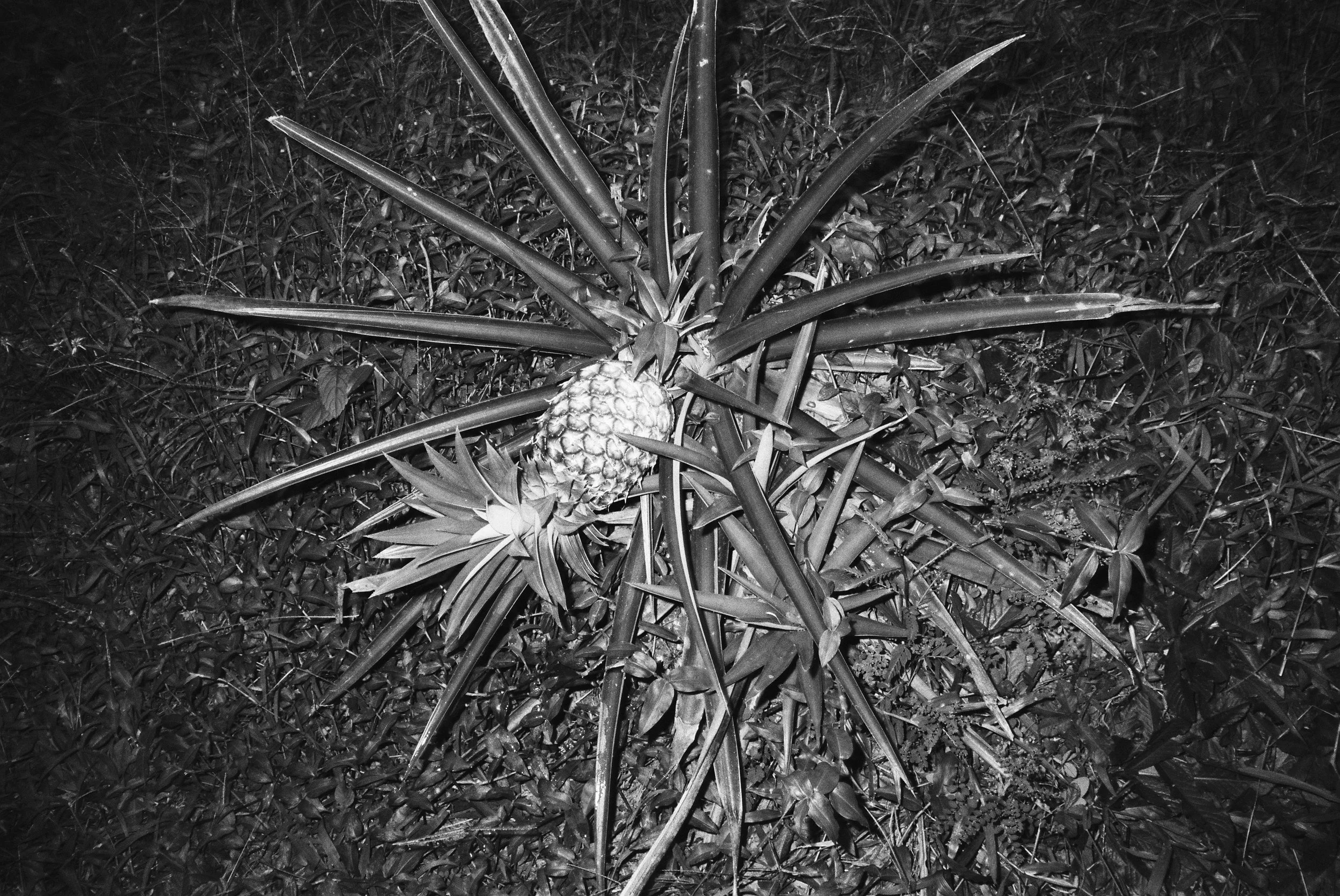
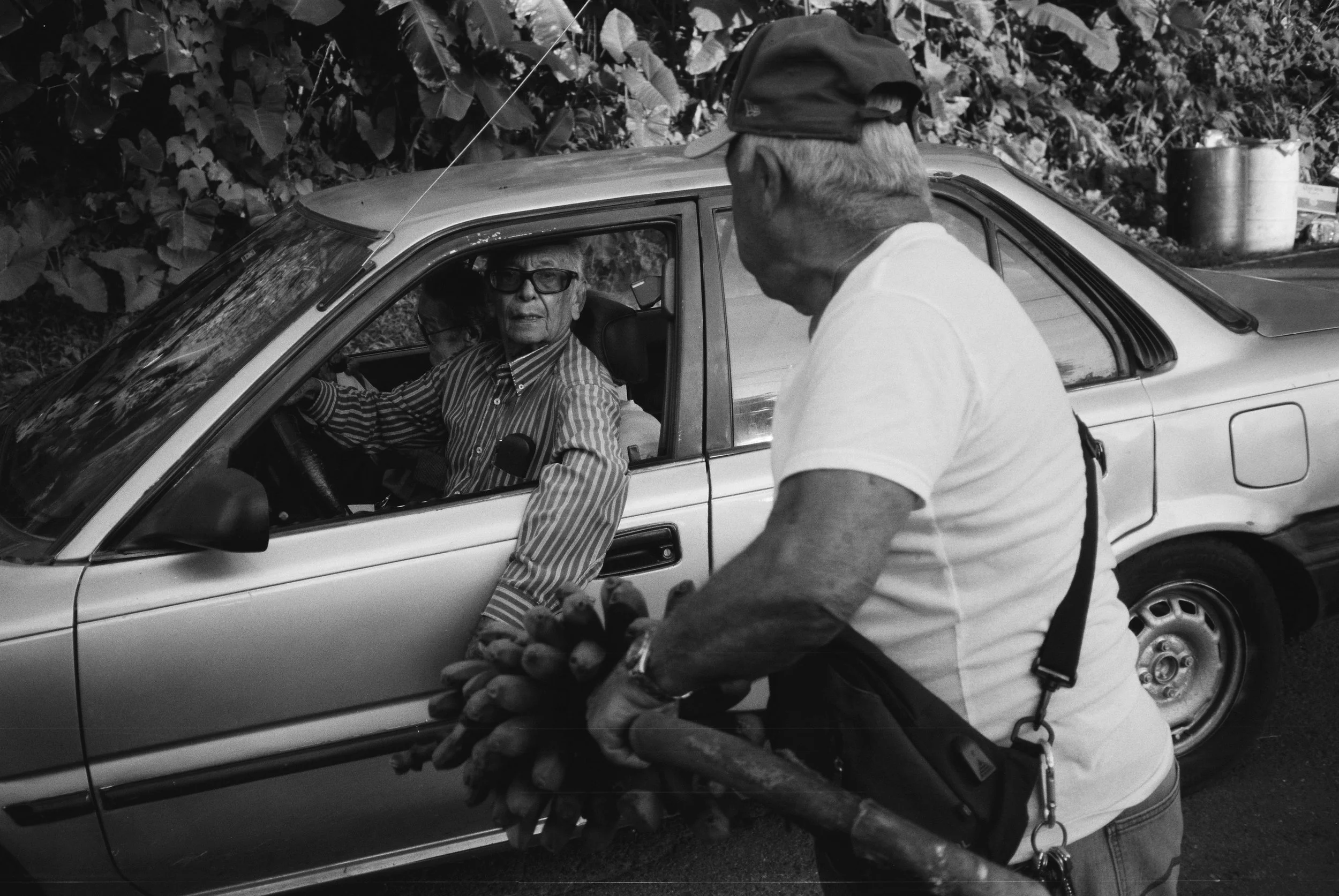
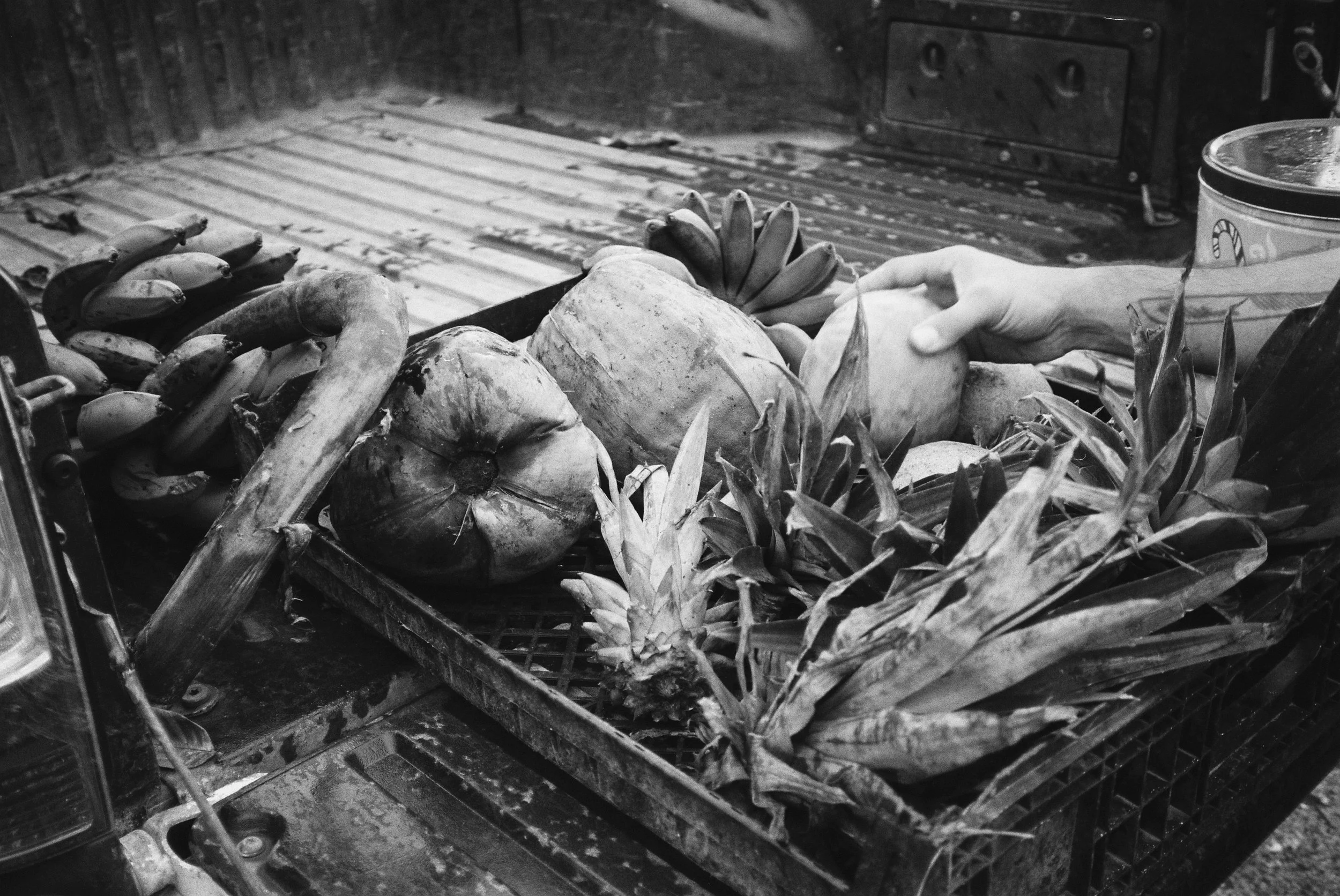
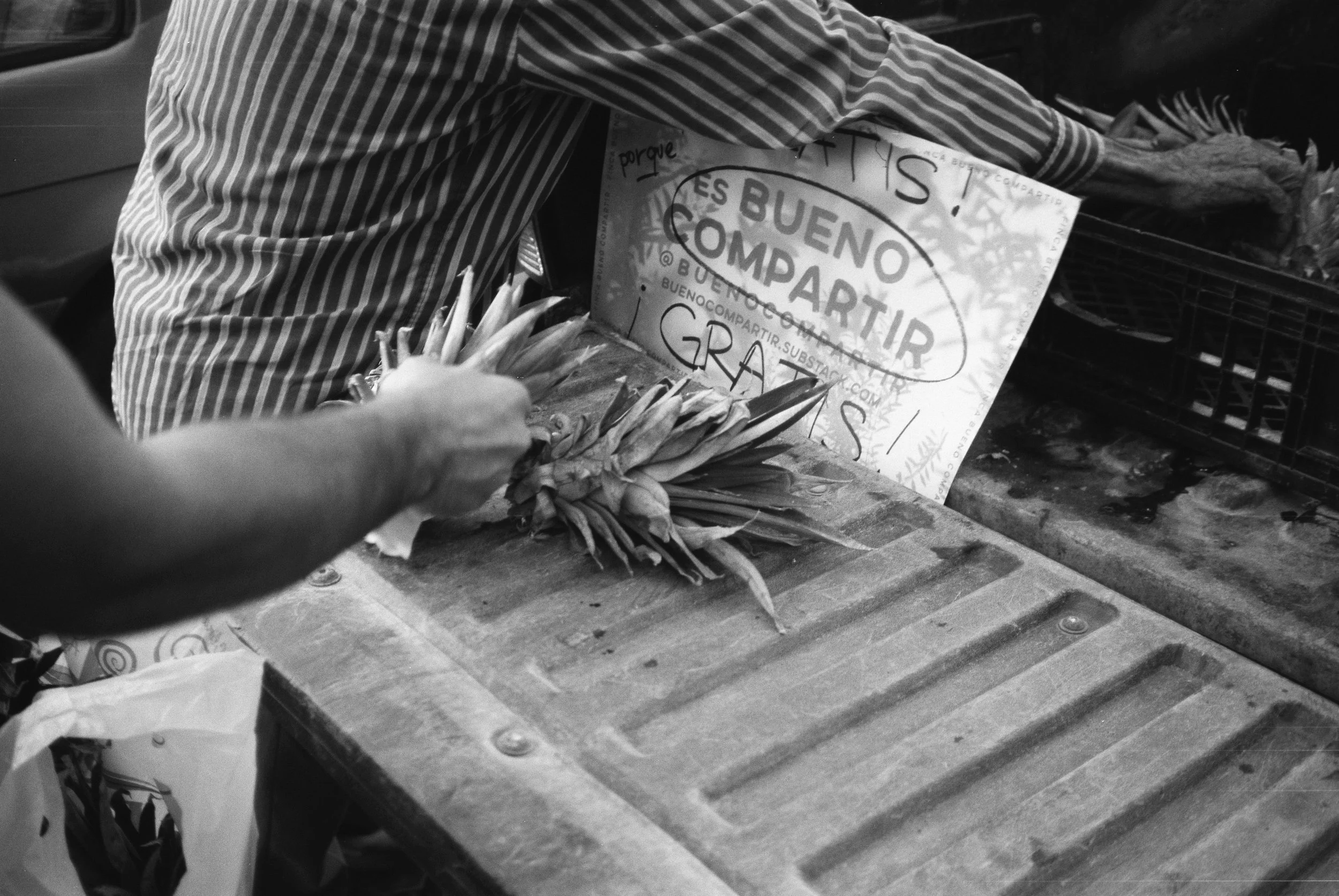
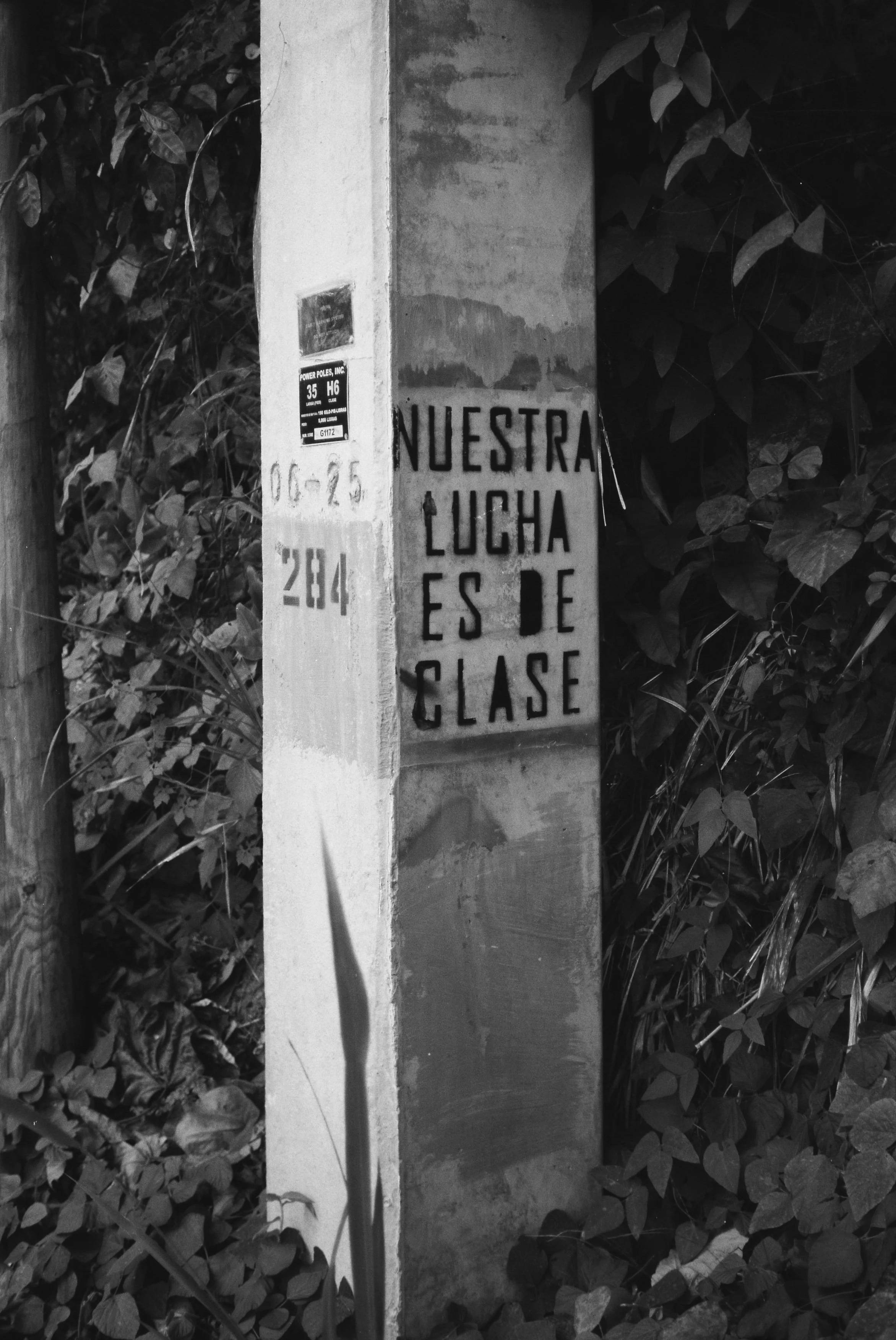
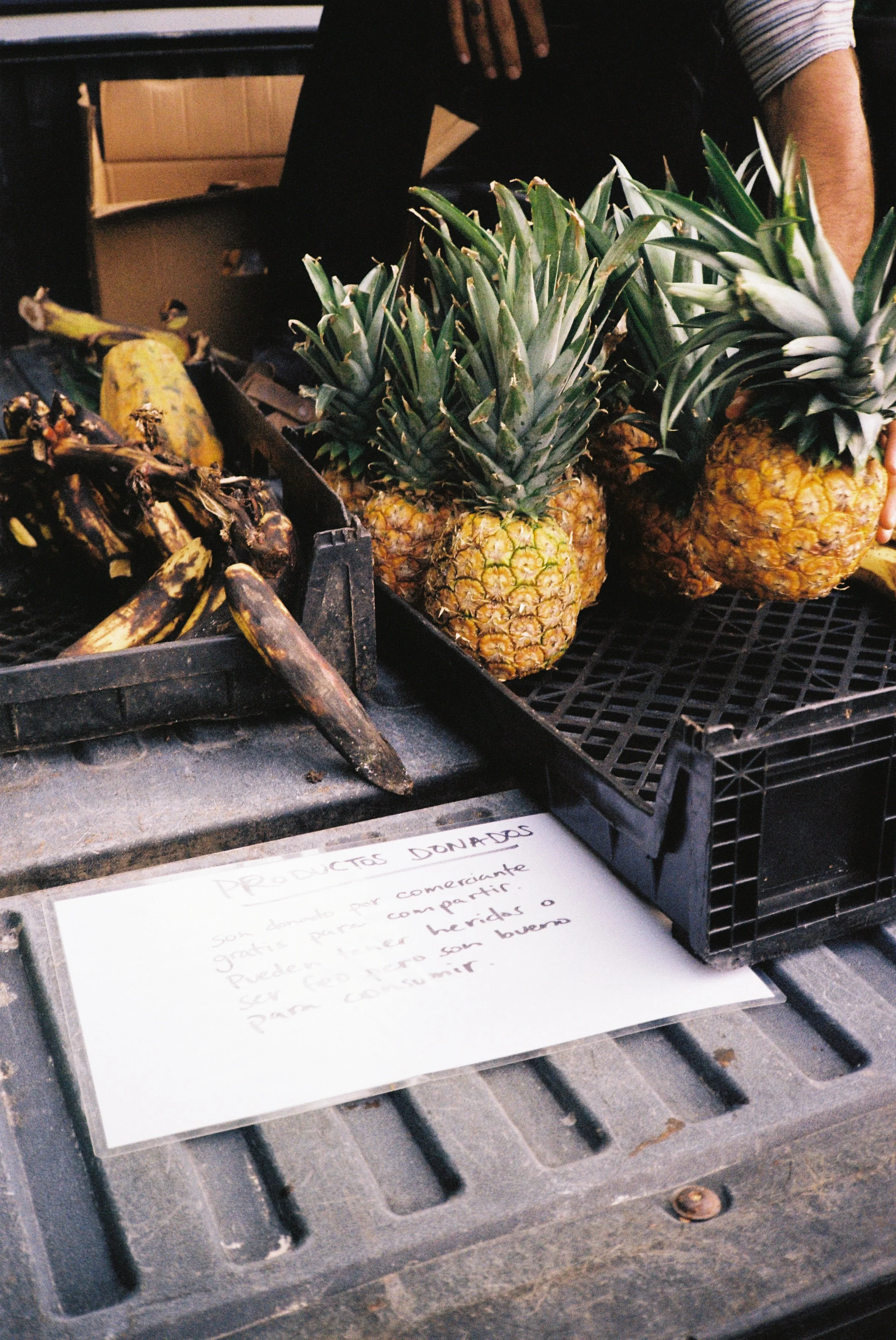
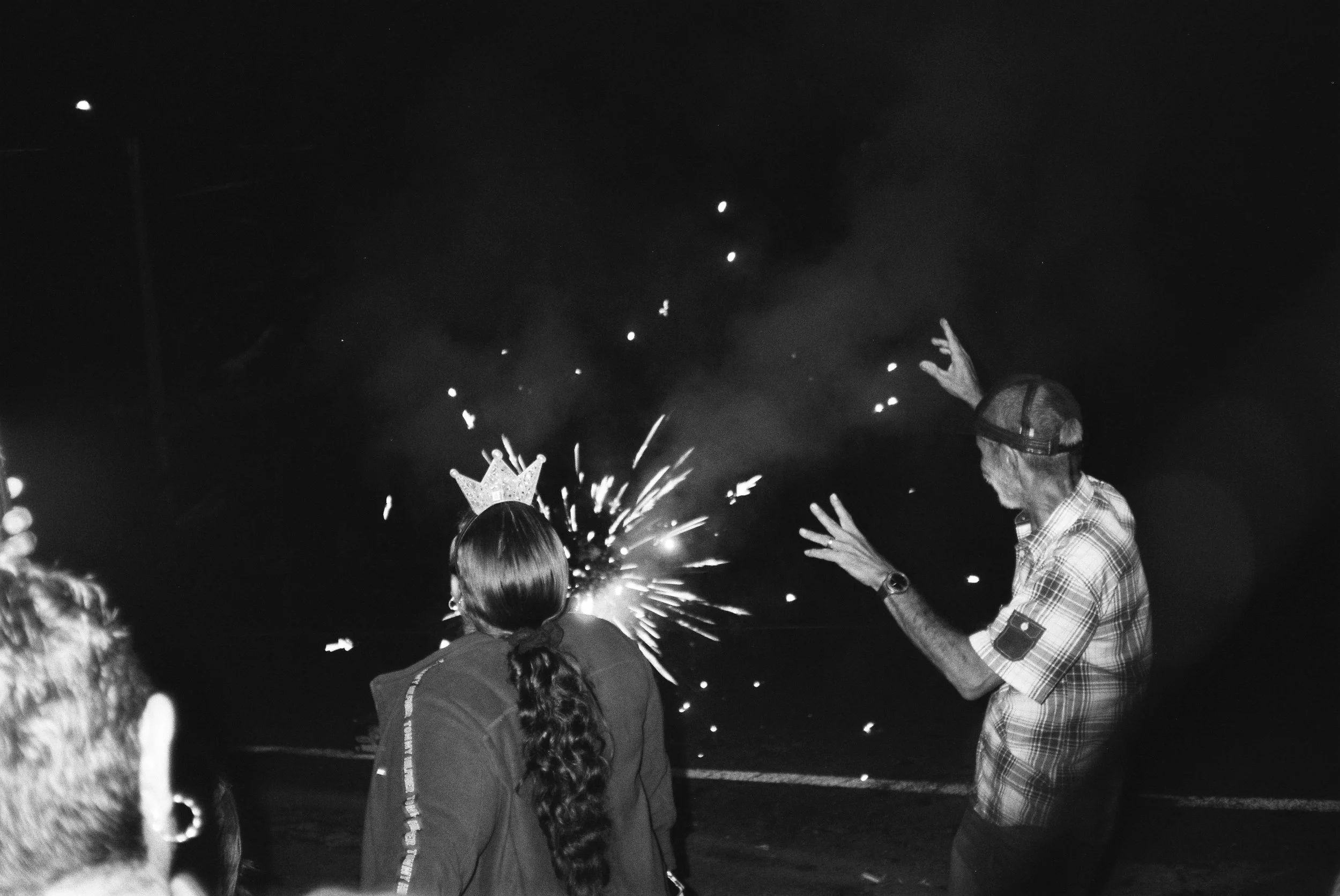
There is a significant amount of exploitation in agriculture, just because it is normalized doesn’t mean we should uphold the status quo. There is a significant amount of waste in our modern food chain, because it is more profitable to throw food away.
We’ve been working to disrupt this. Sourcing produce that is too ugly to sell, but still good to eat, bringing it to our community and offering it for free.
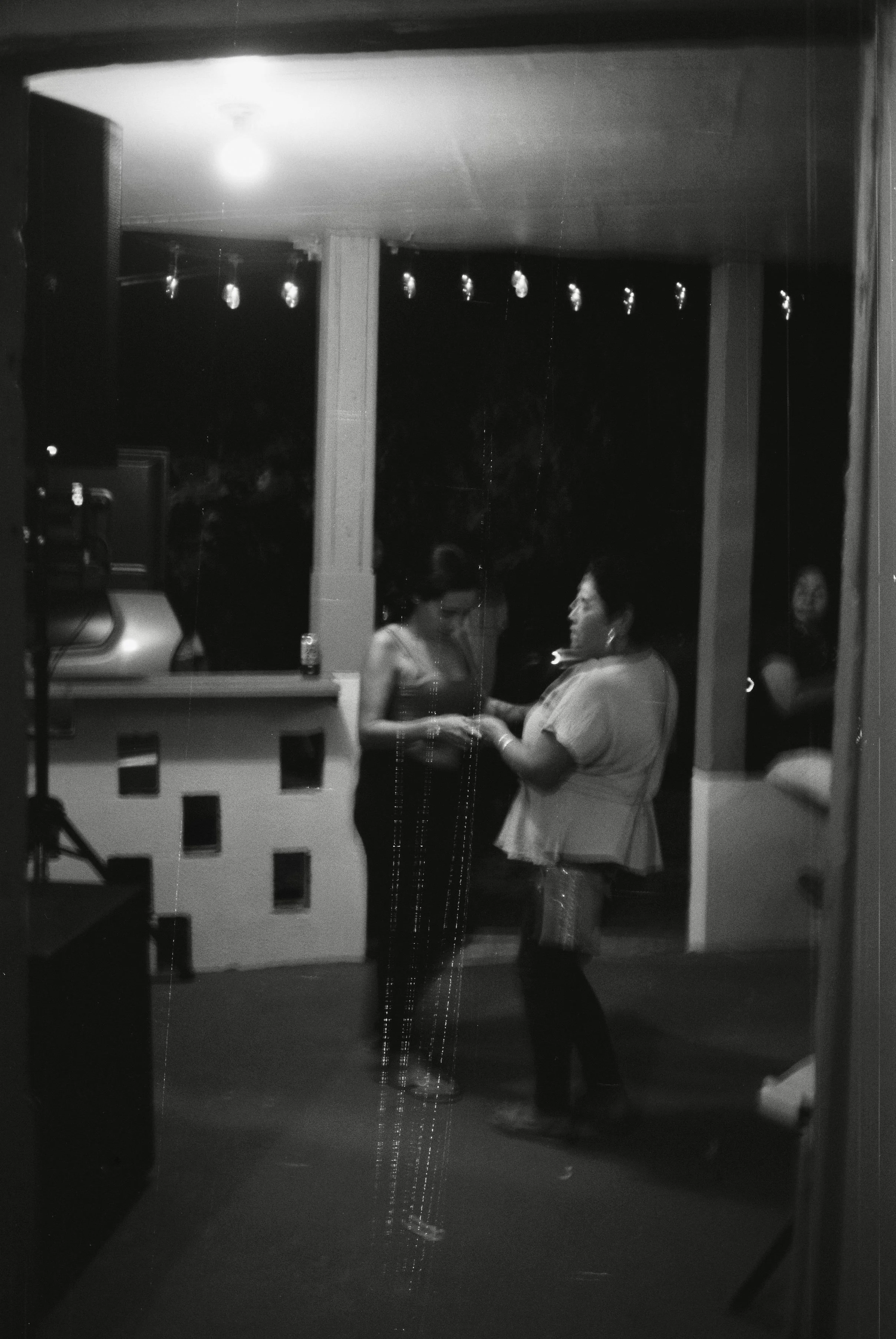
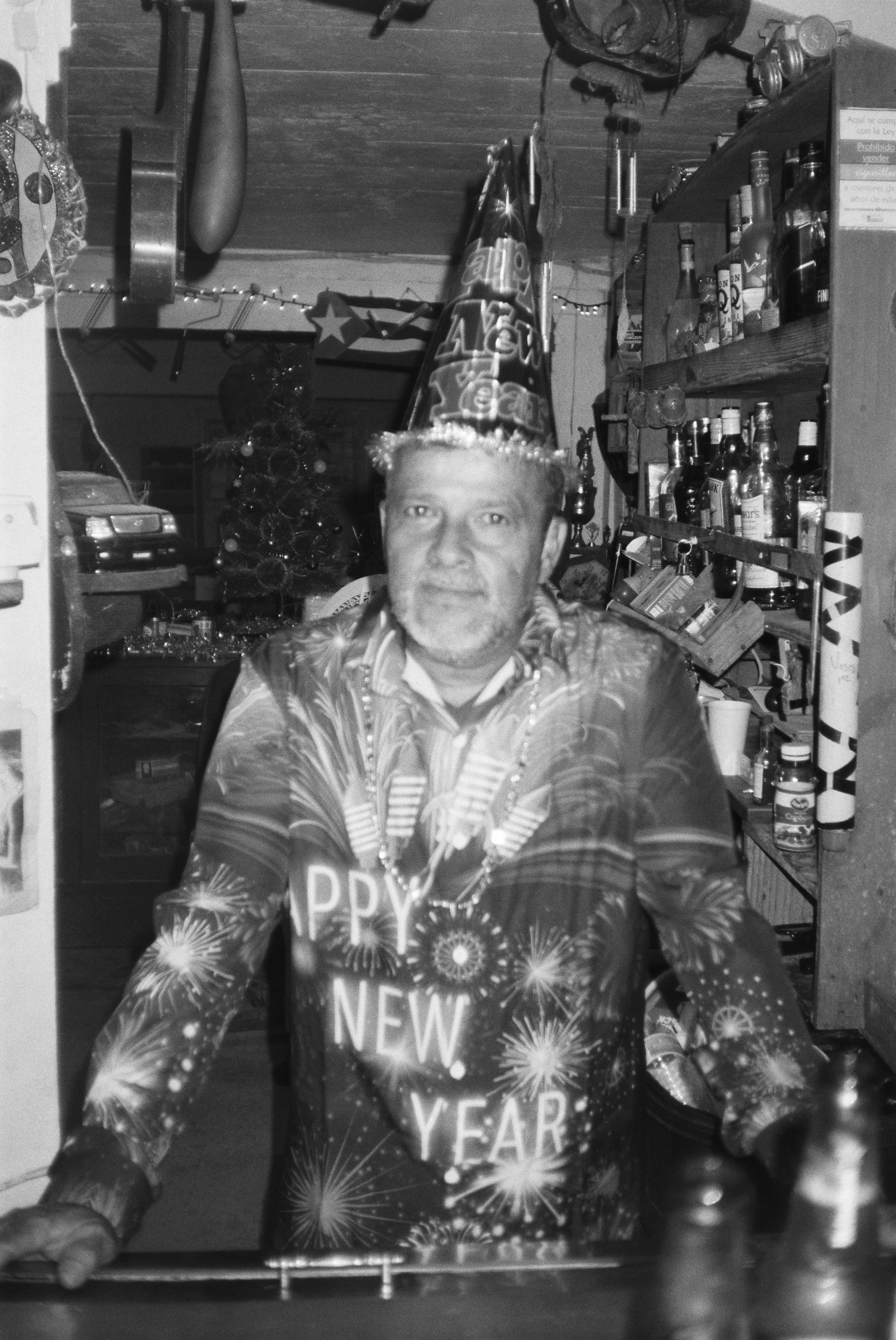
At the end of last year, we started giving away produce and seeds every weekend at the corner bar.
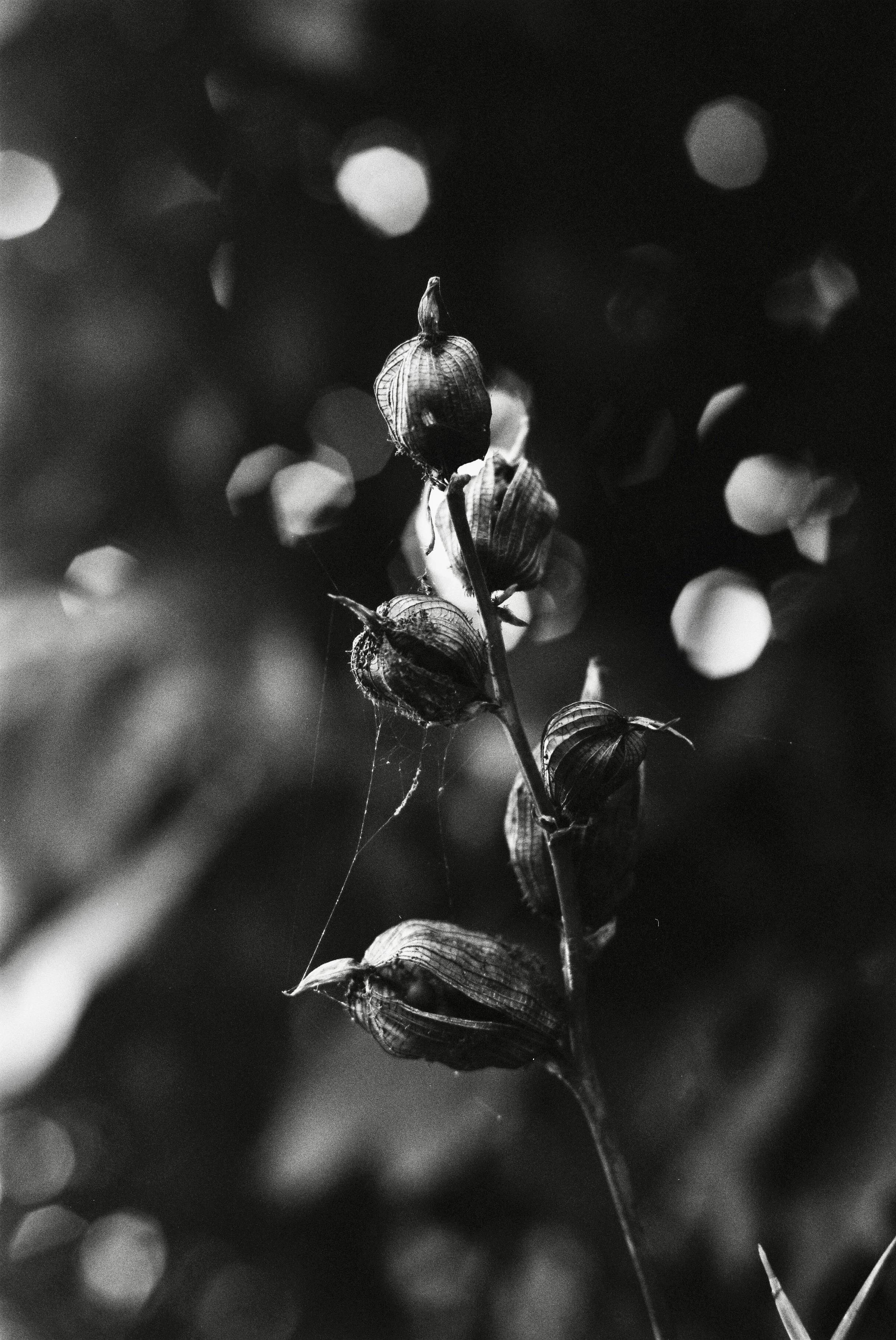
Blue Zones are places where people consistently live to be over one hundred years old. Across all of these regions there is one constant: Community.
We don’t live in a Blue Zone, but we have control over whether or not we have community.
But, we have only made it this many years into the work because we knew how to apologize in decolonial and feminist ways.
Franz Fanon teaches us that to be ethical practitioners, we have to be committed to revolutionary practice. That means pushing back against systems of oppression. That means not functioning as if colonialism is natural and has always existed. We have the choice to do things differently. To honor the trust we’ve been given.
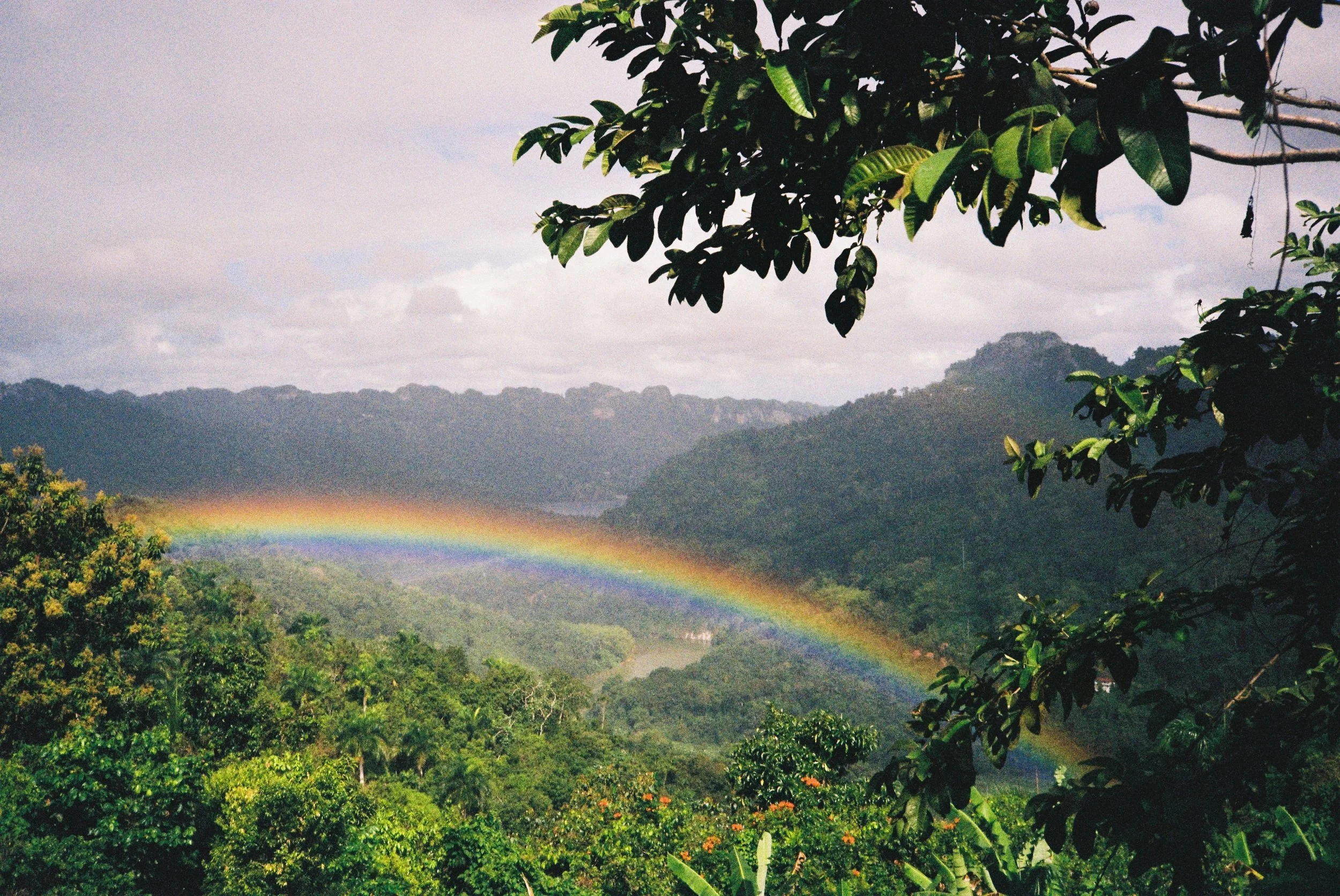
How to Apologize
-
Accountability has four parts, self-reflection, apology, repair, and changed behavior.
A lot of accountability is specific to the situation, but how to apologize is universal.
-
He wrote in JAMA about how apology can shift power imbalance and validate shared values.
-
Lazare: acknowledgment, explanation, remorse, and reparations.
Mingus: say “I’m sorry”, name the harm/hurt, name the impact (not the intention), name the actions, commit to not doing the harm again.
-
"In feminist and anticolonial work there are going to be mistakes. There aren't a lot of roadmaps in [art] for this kind of work, and [community] members are at different stages of understanding and enacting our values. We need to know how to apologize in ways that are feminist and anticolonial, rather than the ways many of us have learned that tend to foreground logic, self-preservation, judgment, or demands for other people's apologies rather than focusing on our own accountability." via CLEAR Lab Book
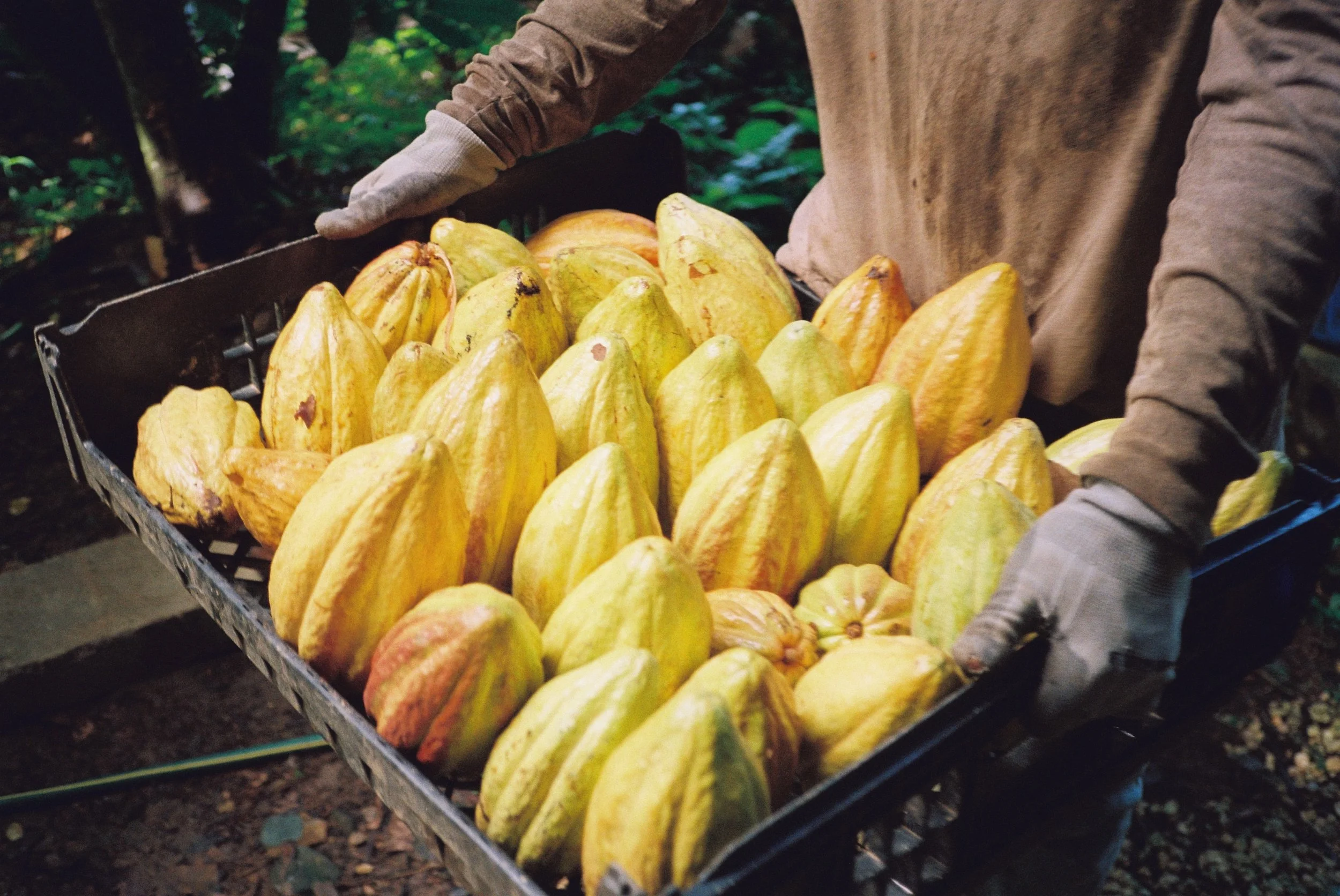
Video: Steven Casanova Edit: Alex Matzke
how to support this work
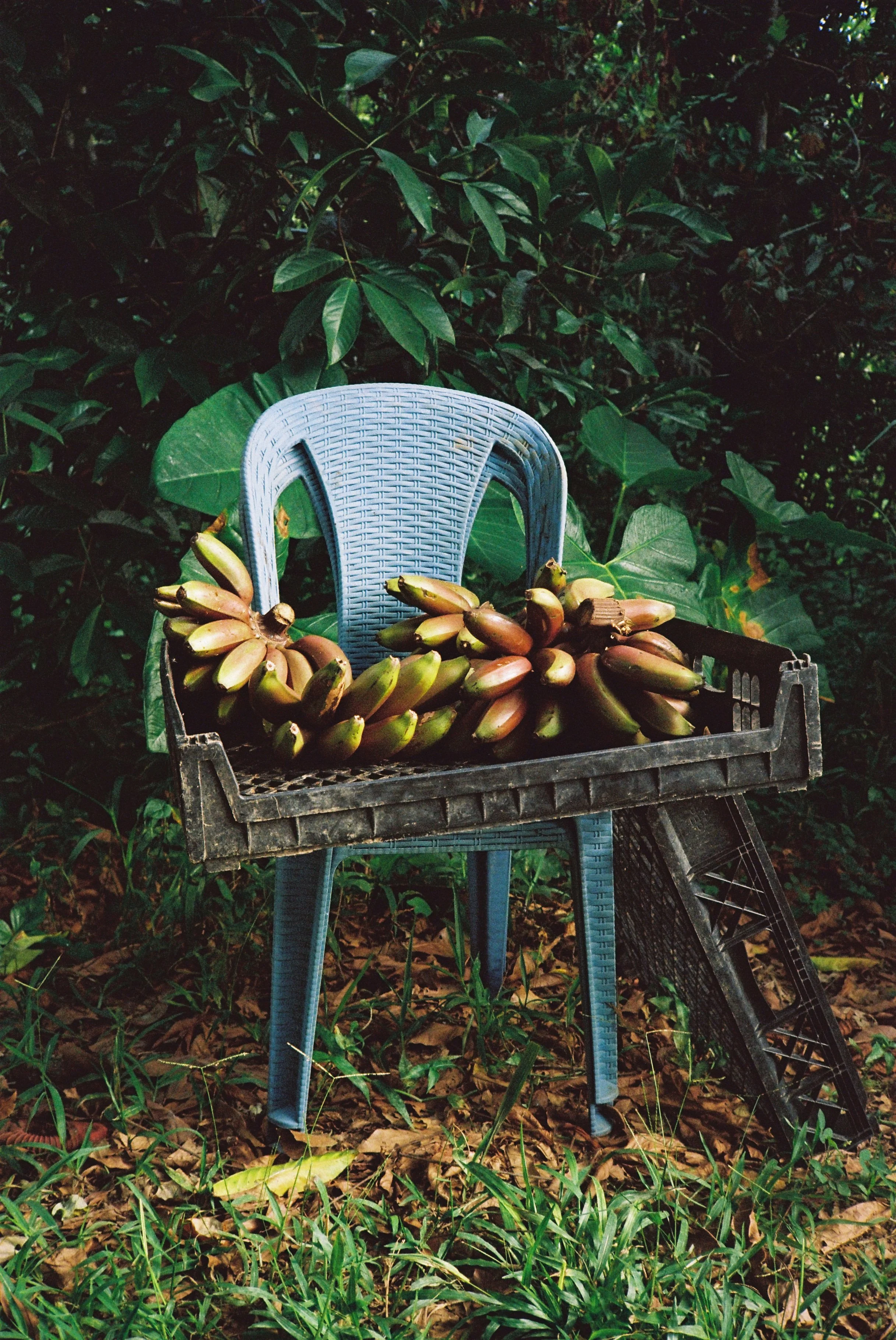
There is significant waste in our modern food chain, because it is more profitable to throw food away. We’ve been working to disrupt this. At the end of 2025 we started giving away produce and seeds every weekend at the corner bar. We decided the best way to share this with everyone is as still life drawing exercises.
The farm focuses on giving free food and plant medicine to the community. That work is made possible through support for our substack newsletter and art projects.